“The most useful question a family can ask isn't ‘what pill should we try?’ It's ‘what in their world can we change?’”
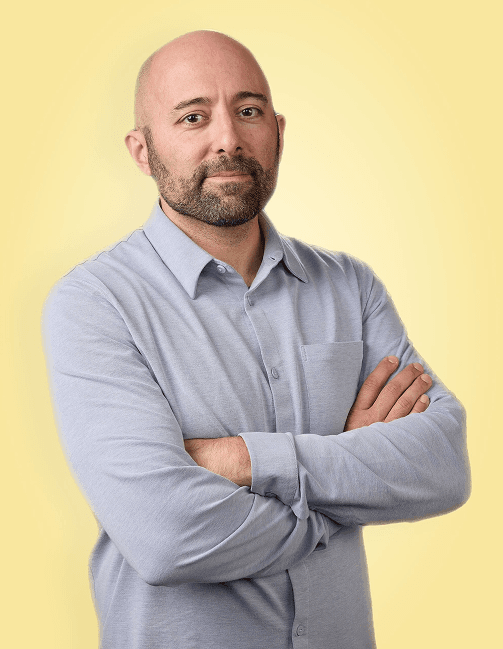
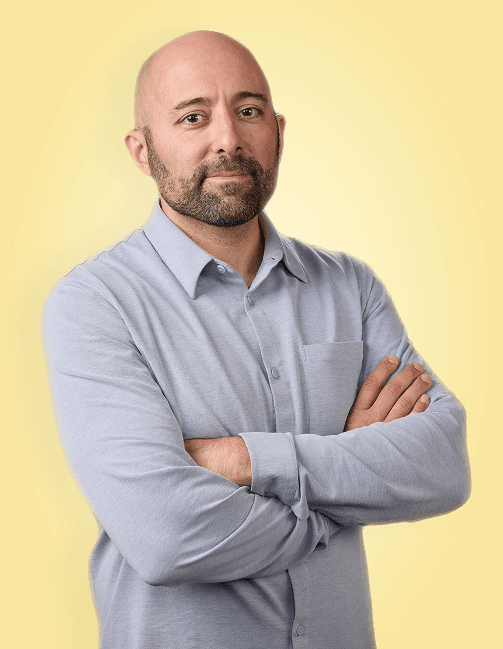
Taught by Dr. Reza Hosseini Ghomi, neuropsychiatrist and biomedical engineer, faculty at the University of Washington's Department of Neurology.
Most of what families are told after a diagnosis is either too vague to act on or too technical to absorb.
Dr. Ghomi built these lessons around the questions he gets asked most in clinic, and around the ones families do not know to ask yet, especially about which medications may be quietly making things worse.
Dr. Reza Hosseini Ghomi is a neuropsychiatrist and biomedical engineer who has spent his career at the intersection of brain, mind, and the systems families actually have to navigate. He has built 4 healthcare companies, has published more than 38 research works on cognitive assessment and neurodegenerative disease, and has built telehealth psychiatry programs serving rural communities across four states. He teaches the way he practices: plainly, without false hope.
What this looks like in practice
A daughter brings her 82-year-old mother in because she is getting more confused, sleeping badly, and has started having falls. The family assumes the dementia is progressing and asks what medication might help.
Her medication list has eleven items on it. Three of them, including an over-the-counter sleep aid the family did not think of as a real medication, carry a significant cognitive cost in older adults. Each was started for a good reason. Nobody had reviewed the list as a whole in four years.
Over the following months, with her prescriber, two of those come off, one at a time, slowly. She is still living with dementia. She is also sleeping better, falling less, and more present in conversation than she has been in a year.